
The Little Opportunities: Embracing the "Beneath Me" Mindset
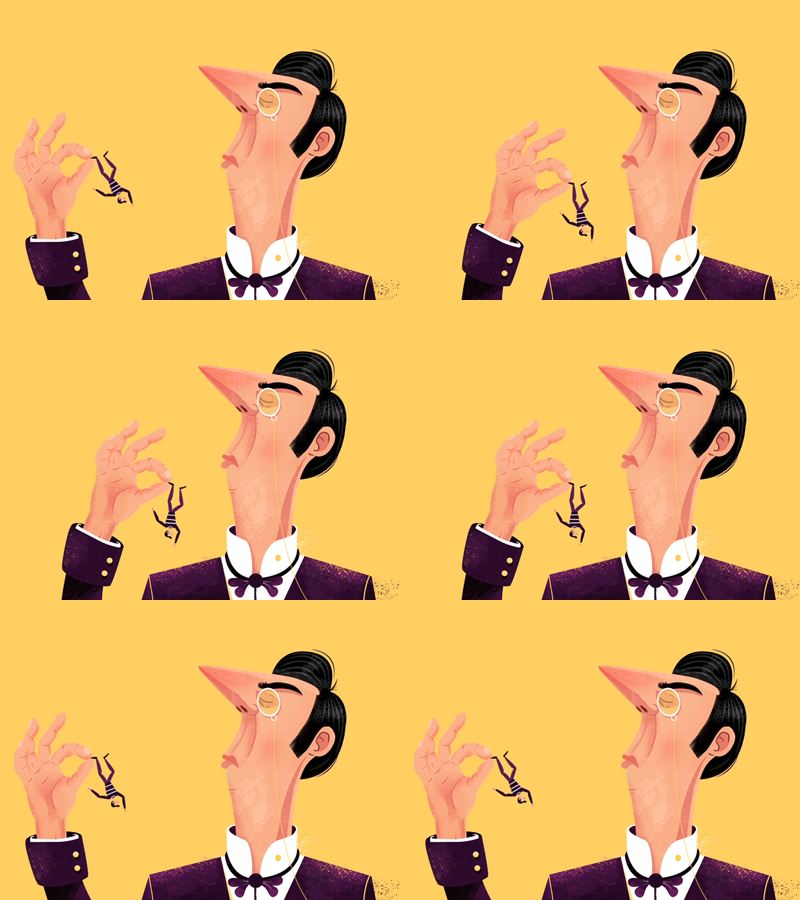
Illustration: https://dribbble.com/kleinhouse
Turning Small Opportunities into Big Wins
We're diving into a topic that's bound to ruffle a few feathers but will ultimately help you level up your game. We're talking about overcoming the "beneath me" mindset. No, it's not the latest pop psychology term. It's an insidious little mental block that might be sabotaging your chances at growth and success without you even realizing it. Buckle up, buttercup; we're in for a ride.
Say "Yes" to Growth
You might be thinking, "But when do I get to say no to these tiny gigs?" Good question. First, say "yes" more often than you'd like and treat these small opportunities like they're the Met Gala of your career. Build your skills, gain some notoriety, and integrate into your new community. What makes small gigs so valuable? They’re your sandbox, where you get to make mistakes and fine-tune your skills without the glaring eyes of a million Instagram followers watching you fumble.
Consistency Over Glitz
Another critical point: Don’t be a one-hit-wonder. We’re in the era of clout-chasing, where people mistake Instagram likes and TikTok views for actual success. Show your work consistently. It's not glamorous, but it pays dividends. Be the tortoise, not the hare, my friend. Consistency kills, especially when it comes to building credibility and honing your craft.
Projects, Not Pipe Dreams
Stop dreaming and start doing. Seriously, get tangible. Begin that painting series, start that YouTube channel, launch that monthly local exhibit. Whatever it is, put yourself out there. Your first few attempts might resemble a Picasso nightmare, but guess what? Every masterpiece starts as a mess. Opportunities are more likely to show up if they see you putting in the work, not just talking about it at every cocktail party.
Paying Dues: It's a Good Thing
Remember when you were a beginner and everything felt achievable because you were learning and stumbling through the process? Guess what? It’s time to get that beginner mindset back. "Paying dues" isn’t a punishment; it’s an investment. Small projects and gigs are dues. You gain skills, knowledge, and network—all invaluable assets for the price of a little humility.
Relationships Over Resume
And speaking of networking, build relationships, not resumes. Stop worrying about how impressive your bio sounds and start contributing to your community. Attend those indie gallery openings, offer your skills, share your resources. Be genuinely helpful. Your opportunities to shine will expand exponentially when people see you’re in it for the long haul, not just a quick ego boost.
The Art of Authenticity
Alright, now for some snarky wisdom: Stop pretending. Seriously. There’s nothing more cringe-worthy than someone who’s all sizzle and no steak. Own your beginner status or your transitional phase. Be you, flaws and all. Authenticity is like a magnet; the right opportunities and people will find you because they’re attracted to the real deal, not a mirage.
Final Conference Call with Yourself
Here’s the kicker: Reflect on your attitudes towards smaller gigs and lesser-known opportunities. Are you turning your nose up at potential goldmines because they seem "beneath you"? Drop that elitist façade. You’re possibly missing out on some serious growth opportunities. Those "beneath me" gigs? They can teach you, shape you, and launch you if you let them.
Start Small, Think Big
Inspired yet? Good. Go out there and seize those little opportunities with gusto. Say "yes" more, show your work, treat small gigs like headliners, and stay authentic. Above all, keep growing and learning. Trust the process, respect your journey, and remember: every "beneath me" gig is a stepping stone to your big break.
So, what's it gonna be? Keep waiting for that perfectly aligned mega-opportunity to fall into your lap, or start turning those smaller ones into the backbone of your success? I'd go for the latter, and I'll see you on the other side of success, savvy? Now go create something!
