
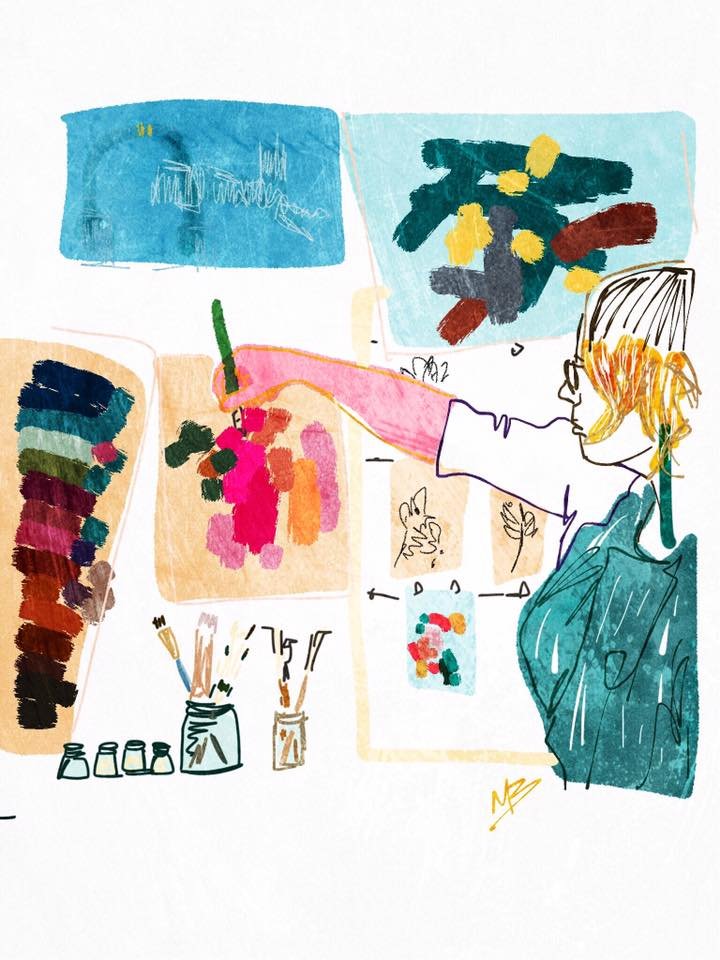
Why Creativity Is a Form of Self-Care (And Why We Often Put It Last)

I’ve been reflecting on how many of us struggle with our relationship with creativity. We want to create. We’ve enjoyed it in the past and often say we value it as part of our lives. Yet, we struggle to prioritize it.
There are many reasons why this could be, but one stands out to me: Creativity as a form of self-care.
When we engage in creative acts, we give ourselves an outlet to express thoughts and feelings that we may not be able to articulate otherwise. Whether it’s through painting, writing, or any other creative outlet, we like the way it makes us feel—even when the result isn’t perfect. Yet, when creativity is approached as self-care, it often falls into the same trap as other self-care activities: we place it in the “should” category and shame ourselves when we don’t follow through. Our good intentions remain just that, and we never carve out the time.
The Overwhelmed Caretaker
Take, for example, the woman who juggles a career, household responsibilities, and possibly even caregiving. She knows creativity brings her joy—whether it’s journaling or crafting—but it’s always the first thing to go when time gets tight. She might say, “I’ll get to it when everything else is done,” but everything else is never done. Creativity becomes just another to-do on an already overwhelming list, and when it’s framed this way, it feels like more work rather than the act of self-care it truly is.
This isn’t just anecdotal. Research shows that women, in particular, often feel guilt when taking time for themselves, which can lead to burnout and a lack of personal fulfillment. According to the American Psychological Association, 70% of women report feeling overwhelmed by their responsibilities, leaving little time for self-care activities like creative hobbies.
The Hustle Trap
Now let’s think about the entrepreneur or career-driven individual. This person may set aside time for creativity, but only if it serves a business goal. Their art becomes part of their "brand" or business growth strategy. Over time, the joy they once experienced from creativity may diminish as it becomes solely about achieving external results.
This happens a lot in hustle culture. A study from Harvard Business Review explains how turning a passion into work can strip the joy from those activities, leading to burnout and creative exhaustionSources: (Harvard Business School)(Harvard Business School).
While it might seem productive to transform your creativity into a side hustle or a content machine, this often removes the pure joy and curiosity that creative play can bring. When we only create for external validation or monetization, creativity shifts from self-care to yet another obligation, another item on the to-do list.
Managing Your Passion for Longevity
The truth is, creativity in its purest form should be an act of self-care. It’s not about the end result but the process of engaging with your own thoughts, emotions, and imagination. However, if we never prioritize this for ourselves—whether it’s because we’re busy caring for others or because we’re trying to produce results—we miss out on the deep restorative power creativity offers.
Writer Elizabeth Gilbert talks about this in Big Magic, suggesting that creative living isn’t about productivity, but about “choosing curiosity over fear.” It’s about giving yourself permission to create for the sake of creating, rather than for an audience or an outcome. This perspective allows creativity to become a tool for self-exploration and joy, not just something that delivers results.
Putting Creativity Back into Self-Care
If you’re wired for practicality and responsibility, it’s tempting to put everything—and everyone—else first. But if you don’t make time for creativity, you might end up feeling disconnected and burned out. It’s time to reframe how we see creative acts: not as a luxury, but as a necessity for mental and emotional well-being.
What would happen if you gave yourself permission to create without the pressure of a perfect outcome? If you took even 10 minutes a day to write, doodle, or play an instrument—just for you, not for Instagram or a portfolio? Imagine how much lighter, more refreshed, and more connected to yourself you might feel.
Reclaiming creativity as a form of self-care means shifting your perspective on what it’s for. It’s not a task to be completed, and it’s not always about the result. Creativity, at its best, is a way to care for your inner world, to let your imagination play, and to express parts of yourself that might otherwise go unnoticed. It’s time to stop putting your creativity last and start making it part of your self-care practice.
What have your experiences been in regards to creativity as a form of self-care?
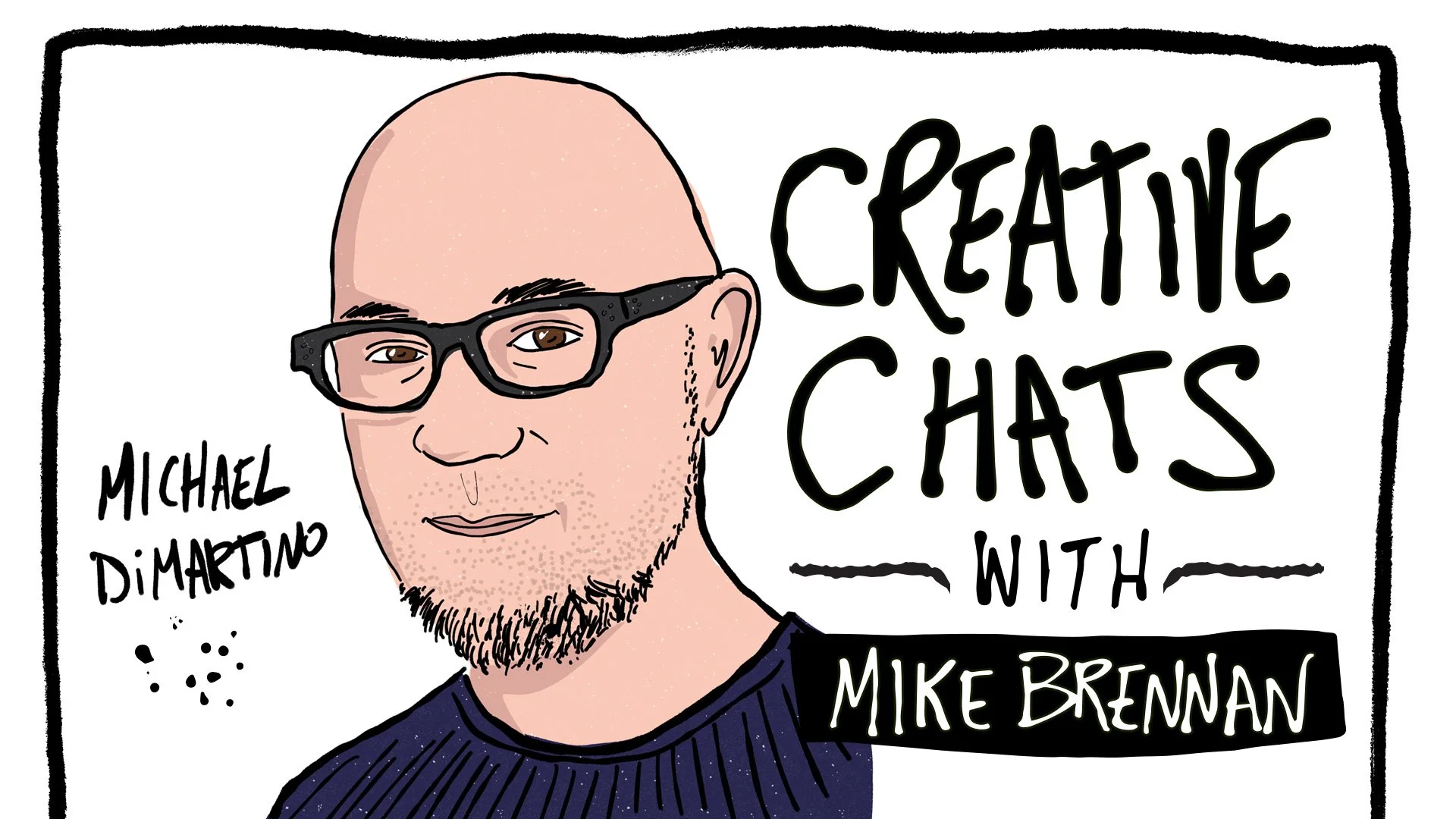
Balancing Artistry and Big Budgets: A Creative Juggernaut's Journey

Ever wondered what it takes to juggle creativity with big studio demands? Michael DiMartino, co-creator of the iconic "Avatar: The Last Airbender," shares his experience and insights on episode 260 of Creative Chats. Grab a coffee (or tea, no judgments here) and let’s dive into the nitty-gritty of balancing high-level management roles while staying true to your creative spirit.
The High-Stakes Playground: Big Studios and Creativity
Picture it: You're in a giant studio with a budget that makes your eyes water. You're not just any artist; you're that artist. Sounds dreamy, right?
Michael DiMartino has walked this path, and according to him, high budgets attract higher scrutiny. Those extra dollars come with a hoard of stakeholders with opinions, deadlines, and suggestions. "Avatar: The Last Airbender" was an outlier at Nickelodeon, capturing hearts with its sequential storytelling and anime finesse. This creative freedom, DiMartino admits, required a fine balance between bending (pun intended) to corporate needs and keeping the spirit of the project intact.
Actionable Snippet: Aim for that balance. Keep your core ideas sacrosanct but be open to compromise. Remember, even Michelangelo had to negotiate with the Pope.
From TV Animation to Words on Paper: DiMartino's New Chapter
DiMartino is a multi-passionate creative. Post "Legend of Korra," he plunged into middle-grade fantasy novels. TV writing comes with rigid structure, whereas novel writing is more like free-form jazz.
In 2019, DiMartino faced a creative rut (happens to the best of us) and dabbled in the National Novel Writing Month, penning "Both Here and Gone." Unlike TV, this process was more freewheeling—a mixed bag of unexpected characters and plot twists. It's like he swapped his chef's recipe book for a food fight in a culinary academy.
Actionable Snippet: Stuck in a rut? Shift your creative gears. Try a different medium. Paint if you write, write if you paint. Heck, try sculpting mashed potatoes if it gets your juices flowing.
Curious Minds Create Peculiar Brilliance
Creativity thrives on curiosity, and DiMartino’s career is testament to that. Whether it was exploring non-Western cultures for "Avatar" or blending loss and resilience in his novels, his work is a curious cocktail of genres and themes.
Actionable Snippet: Stay curious, friends. Dive into topics that intrigue you. Listen to that documentary on jellyfish mating habits—it might spark your next big idea. Don’t think you know it all; that’s the creativity killer right there.
The Tech Tango: Old School Meets New School
Ah, the never-ending debate—traditional vs. digital. Honestly, it’s like arguing tea versus coffee when the true answer is a mocha frappuccino. DiMartino balances traditional 2D animation with the sleek precision of digital tools. He believes technology should serve the narrative, not overshadow it.
"I use AI tools like ProWritingAid and Grammarly," he notes, "but I’m the one who makes the final decisions." It’s refreshing to see a blend of hands-on artistry without shunning tech advancements.
Actionable Snippet: Embrace technology but don’t let it consume you. Use it to enhance your storytelling, not hijack it.
Connecting Creativity and Grief: "Both Here and Gone"
DiMartino’s novel, "Both Here and Gone," is a poignant exploration of grief and resilience. Inspired by his own loss and the shared pandemic grief, the book didn’t start as a commercial project. He found himself navigating the complex web of traditional publishing and self-publishing to bring his story to life.
Actionable Snippet: Not every project needs to be a commercial hit. Work on passion projects too. Self-publishing is a viable option if traditional routes balk at your "off-beat" masterpiece.
Creativity is a wild beast. You tame it by letting it roam free occasionally. Michael DiMartino’s journey from TV animation to novel writing is proof that balancing vibes with corporate needs, practicing curiosity, embracing tech, and working on passionate side projects keep the creative muse well-fed and roaring.
You’ve got to adapt, evolve, and sometimes downright say, “Screw it, I’m painting mashed potatoes today.” Because who knows? That might be the start of your next creative revolution.
Check out episode 260 of Creative Chats.
The Comparison Trap: Why Copy-Pasting Someone Else’s Journey Could Ruin Yours

Ever accidentally melodramatically sighed as you scrolled through social media, comparing your creative entrepreneurial journey to someone else's sparkly highlight reel? Gosh, it’s like they're sunshine, rainbows, and unicorns, while you've got rain clouds and a half-baked day old, moldy muffin. Spoiler alert: that shiny exterior might just be a well-curated mirage. So, let’s dive into why playing the comparison game can be hazardous and how you can sidestep those pitfalls with some actionable steps.
The Sparkling Mirage of Success
You eye that super-successful creative entrepreneur online with envy. You know, the one who’s apparently got their life together with a bow on top. Hate to break it to you, but you’re likely missing out on the real deal behind their polished curtain. Context is everything. Imagine trying to copy their every move without knowing the hidden variables. Spoiler: that's a recipe for disaster. What works for them might not work for you. And here’s how you can avoid falling into that trap:
Secret #1: Get Cozy with Reality Checks
You are you. They are they. So, let’s start there.
Dig as Deep as Facebook Stalking Allows: Research your inspiration’s backstory like a detective on a mission. Know their starting point, journey, and how much of their tale is actually relevant to your situation. You might find out they’re living off trust funds or have a behind-the-scenes team making things look effortlessly cool.
Be Honest with Yourself: Do you have the same resources, time, and networks? Didn’t think so. Acknowledge what you’ve got and what you don’t.
Secret #2: Don’t Be a Carbon Copy—Be a Master Chef
Channel your inner culinary artist and gather those ingredients of inspiration, then whip up your unique creative concoction.
Jot Down What Works for You: List elements of their journey that actually make sense for your life. Then, tweak these to fit your unique context. Voila, you’ve got a personalized recipe for success.
Caveats Are Key: Remember, your life pie might miss an egg or two they had. That’s okay! Adjust the recipe’s baking time. Burnt crusts aren’t flattering.
Secret #3: The Art of Contextualization
Understanding the process and making it yours—contextualize like a pro.
Ask, Adapt, Apply: Take what you admire from others, but ask yourself how it fits into your puzzle. Slight modifications are your secret sauce.
Stay Forward-Thinking: Keep your vision and strategy in mind. Use what fits, discard what doesn’t. Create your own damn masterpiece.
Secret #4: Narrow Down Your Support System
Friends, mentors, and communities—oh my! Choose wisely and surround yourself with the crème de la crème.
Find Your Tribe: Join creative communities where honesty isn’t taboo. Share your struggles and triumphs. Lift each other up. (Looking for one? Join the Daily Creative Habit membership!)
Credibility Matters: Follow mentors who’ve been transparent about their own bumps and bruises. No fake it ‘til you make it vibes allowed.
Secret #5: Focus on Your Unique Journey
Celebrate Small Wins: Track your progress. Pat yourself on the back. Each step forward is fabulous.
Comparison Detox: Limit social media scrolling when feeling fragile. Embrace your path and keep blossoming at your own lovely pace.
There You Have It
Your journey is uniquely yours—own it! Copycats end up frustrated and burnt out. Instead, embrace these snark-packed, actionable tips to forge your creative path.
Now, go forth and create your beautiful mess. Skip the comparisons and make your own damn blueprint.
Closing the Creativity Gap: Strategic Sparks in Your Daily Life - Part 2
Transform Your Work and Life with These Powerful Insights
Let’s cut to the chase. If you think creativity is just for artists or those ‘innately’ talented folks, well, think again. Creativity is a muscle everyone can flex, and it starts with some not-so-obvious places: play, curiosity, and celebration. Intrigued? You should be. Here’s how to unlock your creative potential, step by step.
1. The Power of Play: Not Just for Kids
Hold your horses. I can already hear the collective groan. “Play? Seriously? I have deadlines, Mike!” But stay with me.
Why Play Matters
Play is like a magic potion that frees you from the constraints of everyday grind. It’s about becoming curious, asking those weird ‘what if’ questions, and removing the pressure to produce something perfect. Kids do this naturally. They aren’t thinking about ROI or deadlines. They’re exploring because it’s fun.
How to Play Like a Pro
To channel your inner child, start simple:
Break Something – No, I’m not telling you to smash your laptop. But get into a mindset of experimentation. Try new things without the fear of screwing up. Use metaphorical “toilet paper” to wrap around your hyper-serious tasks.
Ask ‘What If?’ – Imagine wildly unrealistic scenarios. What if your annual budget was delivered by a flying Santa with a cape? How would that impact your processes? Sure, it's silly, but it loosens you up for real, impactful brainstorming later.
Designate Playtime – Set aside a small chunk of your workday to do something just for fun. Could be doodling, tossing ideas around with a team, or, yes, even having a brief “toilet paper fight.”
2. Becoming a Curiosity Jedi
Let’s talk about curiosity. Those shower ideas? Golden nuggets of brilliance. Why? Because you're relaxed, your mind is open, and boom—ideas flow.
Stay Curious, My Friends
Implement these steps to hone your curiosity:
Walk It Off – Take a walk when stuck. The change in environment and physical movement trigger new thoughts.
Mix and Match – Do the ‘Monster Mashup’ exercise. Create three columns of random ideas, and mix them. Column A, meet Column B. What can you create together? Column C is where your breakthrough idea will inevitably reside.
Ask, Don’t Assume – Ask questions without immediately seeking the right answers. Let yourself delve into ‘what if’ scenarios and let your brain marinate.
3. Celebrating Small and Big Wins
Ah, the sweet taste of victory. But, do you celebrate it? Probably not often, or well enough.
Why Celebration is Key
Celebrating your small wins builds momentum and resupplies your creative juices. It’s not just about the big launches or promotions; it's about those tiny steps that get you there.
Steps to Celebrate Like a Boss
Track Your Progress – Create a visual representation of your work. Think mosaics of your yearly accomplishments or even a list of tasks completed.
Reward Yourself – Did you finish a massive report? Get yourself those funky sneakers you’ve had your eye on. Rewards create positive reinforcement.
Share Your Wins – Post about it on social media, tell a friend, or mention it in team meetings. Acknowledgement from others boosts your confidence.
So, what’s your takeaway from all this? Inject some play, curiosity, and celebration into your everyday routine. It’s not just about making your work tolerable; it's about making it exhilarating.
Play. Get curious. Celebrate. Make it a habit, and watch how these strategic sparks can transform your work and life. Remember, when you create, we all win.
And if you’ve made it this far, congratulations! Now go start brainstorming your way to genius!

From Humble Beginnings to Bold Creativity: Lindsey Leaverton’s Journey
What it Means to Embrace Vulnerability and Hard Work
Allow me to introduce you to Lindsey Kane Leaverton, a single mom, wealth manager, singer-songwriter, and author of the delightfully unconventional "Not Another Self Help Book". Sounds intense, right? Well, buckle up, because Lindsey’s story is a masterclass in crafting beauty from chaos.
Embracing Humble Beginnings and Vulnerabilities
Like many of us creative types, Lindsey didn’t start life in a cozy cocoon of success. No silk pajamas here, folks. This episode dives into the power of embracing those rocky, humble beginnings. Lindsey emphasizes that the scars and battle wounds of our past aren't things to be hidden away. Instead, they are what give depth to our work and substance to our stories.
So how do we embrace our beginnings? The key word here is vulnerability. Be open about your struggles, your anxieties, and your missteps. Lindsey’s openness about her sexual orientation and personality traits resonates with so many who’ve walked similar paths.
Actionable Steps:
1. Start a journal. Write about your past and how it shaped who you are today.
2. Share your story with someone you trust. Vulnerability breeds connection.
The Value of Hard Work and Dedication
Speaking of hard work, Lindsey doesn’t sugarcoat the grit required to create something meaningful. Dedication is the secret sauce, and she’s got a pantry stocked to the brim. Iterating, revising, taking those endless drafts and making something extraordinary—that’s the magic.
Lindsey’s creative process for writing her book was intense, involving long hours, deep dives into personal experiences, and constant rewrites. If you’re not willing to put in the work, you might as well pack up your art supplies and go home.
Actionable Steps:
1. Set a dedicated time each day for your creative work.
2. Don’t be afraid to scrap and start over. First drafts are meant to be rough.
The Right People: Your Tribe
Finding the right people to celebrate and accept you is vital. Lindsey stresses surrounding yourself with folks who understand and uplift you. Think of them as your personal cheerleading squad, minus the pom-poms (unless they’re into that).
She’s leveled up her life by finding her tribe, and she encourages everyone to do the same. Whether it’s through social media, local groups, or creative communities, find those who get you.
Actionable Steps:
1. Join a creative community, online or offline.
2. Attend local events related to your creative interests.
Self-Care: It’s Not Just Bubble Baths
Now, onto something we all love to neglect: self-care. Lindsey shared her practices that help keep the creative juices flowing. She spends time on her back porch, meditates, writes lyrics, and even listens to stand-up comedy for inspiration.
Yes, spending time in self-care isn’t just about bubble baths and face masks (although, who doesn’t love a good bath?). It’s about finding activities that rejuvenate you and give you mental space.
Actionable Steps:
1. Dedicate time each week to a relaxing activity that brings you joy.
2. Incorporate humor into your routine. Laugh. A lot.
Creativity as a Lifeline
For Lindsey, creativity isn’t just an outlet; it’s her lifeline. Whether it’s using her problem-solving skills in her professional life or finding ways to balance family logistics, creativity permeates everything she does. This episode really drives home that creative expression is indispensable for navigating life's challenges.
Actionable Steps:
1. Identify an area in your life where you can incorporate more creativity.
2. Use creative outlets to process emotional hardships. Try drawing, painting, or writing your thoughts down.
Versatility: Left-Brain Meets Right-Brain
Lindsey’s ability to combine left-brain and right-brain thinking is a superpower in her field. From financial strategies to writing poignant lyrics, she has learned to embrace both sides of her brain to create a harmonious life.
If you’re one of those people who think they need to choose between creativity and practicality, think again. Lindsey’s example teaches us that embracing both aspects can lead to extraordinary outcomes.
Actionable Steps:
1. Work on a project that requires both analytical and creative thinking.
2. Embrace your unique approach, even if it seems unconventional.
Final Words
Lindsey’s journey from humble beginnings to finding her tribe and balancing creativity with practicality offers valuable lessons for all of us. Remember, your story, struggles, and the hard work you put in can craft something beautiful. So, pick up that pen, brush, or guitar, and start creating.
After all, the world needs your unique brand of magic.
Actionable Steps Recap:
- Start a journal.
- Share your story.
- Dedicate time for your creative work.
- Find and join creative communities.
- Implement regular self-care activities.
- Use creativity to process emotions.
- Embrace both analytical and creative thinking.
So, what’s stopping you? Your creative journey awaits—take that first step today.
Listen to episode 234 of Creative Chats for my conversation with Lindsey Kane Leaverton.
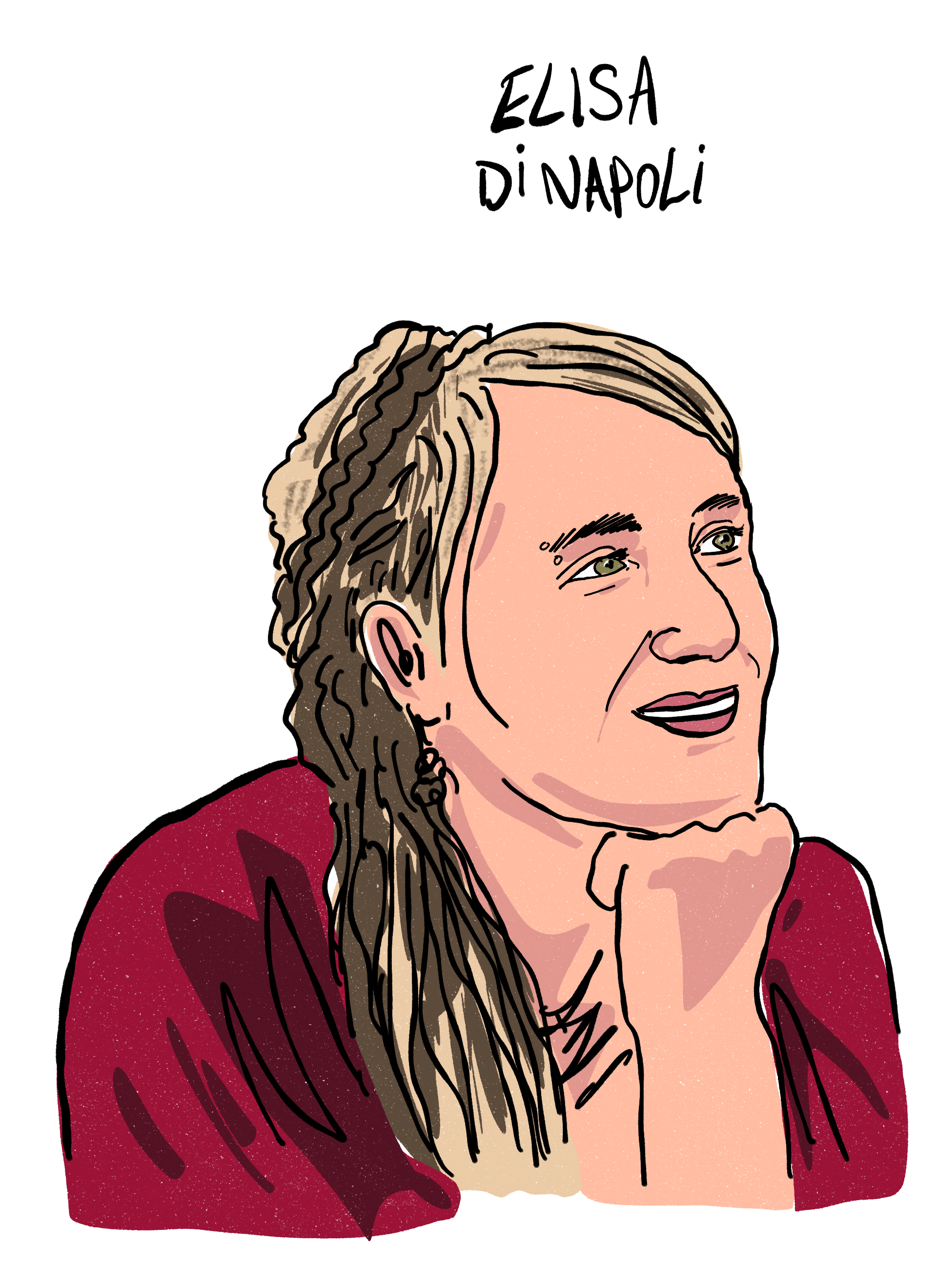
The Secret Sauce to Confidence and Conquering Fear with Elisa Di Napoli
Small Moments Matter More Than You Think
Imagine that. Here we are, caught up in the frenzy of life, waiting for that blessed two-hour block to magically materialize so we can finally indulge our creative whims. Enter Elisa Di Napoli, the sage who flips this notion on its head. She champions the power of daily creative habits and the idea that small, consistent moments of creativity are the unsung heroes of artistic growth. “The daily grind is where the magic happens,” says Elisa. Waiting for perfect conditions? Well, you might as well wait for a unicorn to show up. Grab those tiny pockets of time—they’re gold!
Action Step: Start by sketching, writing, or noodling for just 5 minutes a day. Commit to this bite-sized ritual and watch how it removes the barrier of "I don't have enough time."
Building Your Creative Muscles
Ever wonder how professional athletes don’t just collapse into a heap after a triathlon? They build their muscles bit by bit. Elisa argues that creativity works the same way. Daily practice isn’t just a motivational poster quote—it’s essential training for your creative muscles. Skip the gym of your craft, and those muscles will go flabby real quick.
And hey, this isn't a sprint. Think of your daily creative sessions as regular dates with your muse. You’d be surprised how quickly these quickies add up, making you stronger, more imaginative, and yes, more resilient to creative blocks.
Action Step: Dedicate a specific time each day for your creative practice. The same way you wouldn't skip brushing your teeth, don't skip this. Stick to it religiously, and just like that, you've got a new habit.
Feedback: Your Best Frenemy
If feedback were a cocktail, it would be a double-edged sword with a twist of lemon. Elisa's recipe? Seek feedback sparingly and only from those you trust. She emphasizes that feedback is a tool, not a verdict. Rule number one is this: feedback should lift you, not toss you into a pit of despair. Rule number two? When in doubt, trust your gut.
But here’s the kicker—constructive feedback is your friend. It’s one thing for someone to say, “I don’t like it,” and another for them to say, “Here’s where I think it could be stronger.”
Action Step: Identify a few trusted individuals from whom you can seek feedback. Be specific about what kind of feedback you need—whether it's technical, emotional, or conceptual. And remember, not all feedback deserves a place in your brain.
Stage Fright and Performance Anxiety: Taming the Beast
Elisa openly discusses her battles with performance anxiety and stage fright, likening them to unruly house guests that just won't leave. The answer? Frequent exposure and some nifty tools like hypnotherapy. According to her, there’s a fine line between "good nerves" that energize you and "bad nerves" that paralyze you. Frequent performances and regular exposure to your feared situation can turn that scary monster into just another house mouse.
Action Step: Perform regularly in low-stakes situations. Record yourself, perform in front of friends or join a virtual open mic. The more you do it, the more normal it becomes.
Unlocking Flow: The Creative Nirvana
Ah, the elusive state of flow. It's like falling in love—hard to explain, but you know it when you feel it. Elisa emphasizes curiosity as the gateway to this mystical zone. Drop the judgment and just play. Being overly critical is a surefire way to slam the door on creativity.
Action Step: Engage in an activity that excites you and do it with a playful mindset. Drop any expectations and just dive into the joy of creating.
Intentional Spaces: Drawing the Line Between Work and Creation
Navigating between 'work mode' and 'creative mode' isn’t just a mental shift; it's a full-blown spatial transition. Elisa swears by distinct physical spaces and intentional rituals to make these transitions seamless. Different lighting, separate rooms, even specific music playlists can solidify the boundary between mundane work tasks and inspired artistic endeavors.
Action Step: Designate specific areas in your home for working and creating. Even a small change like different lighting or a particular scent can make a big difference.
The Hard Truth About Self-Worth and Creation
One of the most powerful takeaways from talking with Elisa is this: your creative output does not determine your self-worth. Putting too much self-value into a single piece can make every criticism feel like a personal attack. Create because you love it, not because you need validation from the world.
Action Step: Remind yourself regularly that your worth is not tied to your outputs. Engage in self-affirmation exercises and focus on the joy of the process, rather than the outcome.
Elisa Di Napoli’s insights serve as a treasure trove for anyone navigating the rocky terrains of creativity. So, the next time you’re waiting for that perfect two-hour block, maybe spend five minutes creating something instead. After all, in the world of creativity, consistency trumps perfection every single time.
Listen to Creative Chats episode 238 with Elisa Di Napoli.

Creative Leadership: Lessons from Experience Design Visionary Geoff Thatcher
How Bold Ideas and Creative Leadership Change the Game
Ever sat in a creative meeting and thought, “Boy, I have the next big thing”? Only to have it shot down faster than a poorly written rom-com? Well, folks, buckle up because Geoff Thatcher, founder and CEO of Creative Principals, has a few pearls of wisdom to share about the roller coaster ride that is creative ideation and execution.
From Amusement Parks to World-Class Experiences
Geoff’s love affair with experiences and design blossomed when he worked at an old-time amusement park. Picture a young Geoff, wide-eyed with a grin that said, "This could be bigger." After earning a degree in journalism, he migrated to a firm specializing in those same experiences—theme parks, museums, corporate brand showcases—you name it. Fast forward to 2017, Thatcher's very own empire, Creative Principles, was born, focusing on ideation and partnering with production houses for the nitty-gritty.
Collaboration: Not Just a Buzzword
One thing Thatcher swears by is collaboration. Not the kind where the loudest voice wins, but genuine, roll-up-your-sleeves stuff where he encourages clients to include diverse input. This, friends, is where the magic happens. But keep your expectations in check; there will be pushbacks, naysayers, and the occasional “What the heck were we thinking?” monologues.
Managing Expectations: Courage Required
Speaking of managing expectations, one riveting story from Geoff involved clients sticking by their risky ideas. It's like watching a high-wire act—nerve-wracking but thrilling. Geoff’s advice? Have the nerve to back groundbreaking concepts. He references Harrison Buzz Price—Walt Disney’s go-to guy for feasibility—who faced immense skepticism over Disneyland but proved his critics wrong. Kevin Costner's "If you build it, they will come" line? It’s more real than you think.
Groundbreaking Ideas Aren’t “Precious”
Marty Sklar, a luminary in imaginative spaces, wisely stated there are no "precious ideas." It’s like saying, “Your baby isn’t ugly, but let’s be open to some makeover tips.” The real courage comes in iteration—allowing an idea to evolve with multiple inputs until it’s razor-sharp.
Taking Risks and Embracing Change
Innovative work doesn’t come from playing it safe, my friends. Mike Brennan agrees—finding people willing to take risks is half the battle. Geoff often starts from scratch, blending powerful stories into the designs of experiences. If you want to stand out, you need to shift from the mundane to the extraordinary. Or, as I like to say, if you're not sweating bullets at some point, you're doing it wrong.
Emotion and Experience
Geoff draws inspiration from being emotionally moved. Disney World trips, especially—he’s practically a walking Disney encyclopedia. His disappointment at not seeing Chewbacca in the park echoes his underlying belief: emotional connection is everything. On a brighter note, he adored the “Rise of the Resistance” ride, showcasing the crescendo of storytelling in experience design.
Dealing with Disney’s Lack of Spontaneity
Both Geoff and I share mutual frustrations with Disney—specifically, the need to plan everything. For the love of Mickey, can’t we inject a little spontaneity? This brings us to a crucial point in creativity: balancing meticulous planning with the freedom to improvise. After all, true creativity flourishes in the gray areas.
Creativity and Leadership: The Dynamic Duo
One can’t exist without the other, according to Thatcher. His five principles for great creative leaders deserve an altar:
1. Share the Vision
2. Challenge the Process
3. Enable Others to Act
4. Encourage the Heart
5. Let Creatives Experience Their Work
Like a fine cocktail, a good creative leader must mix all these ingredients for a successful outcome.
Value Your Work and Set Boundaries
No one likes to feel undervalued, least of all creative professionals. Geoff’s mantra? Don’t work for free. Ever. Doing so devalues your craft and leads to frustration quicker than you can say "unpaid intern." Draw a line in the sand—let clients have some "skin in the game," so they understand your worth.
Getting Noticed and Staying Relevant
Geoff's got his fingers in many pies—his book "The CEO’s Time Machine," creativeprincipals.com, LinkedIn, Substack, and a YouTube show called Park Pals. Hustle and diversification, people. Don’t put all your eggs in one basket.
Final Thoughts
Through our chat, it’s clear that Geoff Thatcher combines creativity with leadership like few others. From stubbornly standing by bold ideas to ensuring no one works for free, Geoff’s insights are both groundbreaking and practical.
So, what’s the big takeaway? Keep pushing boundaries, value your craft, and embrace the wild, chaotic ride that is creative work. Now, go on—get out there and change the game.
What’s your next bold move? Don’t just think it. Create it.
Listen to episode 242 of Creative Chats with guest Geoff Tatcher.