
Balancing Artistry and Big Budgets: A Creative Juggernaut's Journey

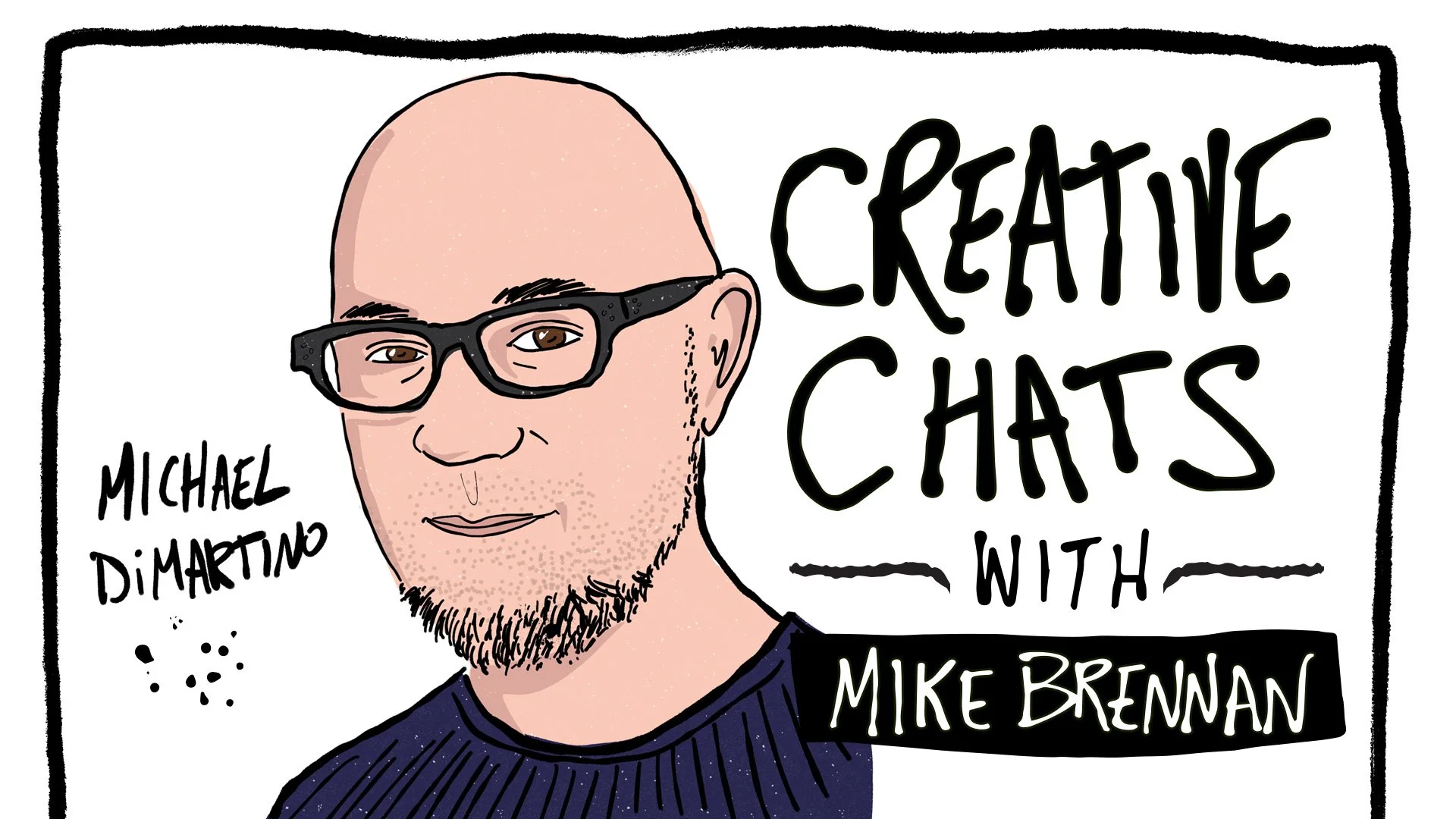
Ever wondered what it takes to juggle creativity with big studio demands? Michael DiMartino, co-creator of the iconic "Avatar: The Last Airbender," shares his experience and insights on episode 260 of Creative Chats. Grab a coffee (or tea, no judgments here) and let’s dive into the nitty-gritty of balancing high-level management roles while staying true to your creative spirit.
The High-Stakes Playground: Big Studios and Creativity
Picture it: You're in a giant studio with a budget that makes your eyes water. You're not just any artist; you're that artist. Sounds dreamy, right?
Michael DiMartino has walked this path, and according to him, high budgets attract higher scrutiny. Those extra dollars come with a hoard of stakeholders with opinions, deadlines, and suggestions. "Avatar: The Last Airbender" was an outlier at Nickelodeon, capturing hearts with its sequential storytelling and anime finesse. This creative freedom, DiMartino admits, required a fine balance between bending (pun intended) to corporate needs and keeping the spirit of the project intact.
Actionable Snippet: Aim for that balance. Keep your core ideas sacrosanct but be open to compromise. Remember, even Michelangelo had to negotiate with the Pope.
From TV Animation to Words on Paper: DiMartino's New Chapter
DiMartino is a multi-passionate creative. Post "Legend of Korra," he plunged into middle-grade fantasy novels. TV writing comes with rigid structure, whereas novel writing is more like free-form jazz.
In 2019, DiMartino faced a creative rut (happens to the best of us) and dabbled in the National Novel Writing Month, penning "Both Here and Gone." Unlike TV, this process was more freewheeling—a mixed bag of unexpected characters and plot twists. It's like he swapped his chef's recipe book for a food fight in a culinary academy.
Actionable Snippet: Stuck in a rut? Shift your creative gears. Try a different medium. Paint if you write, write if you paint. Heck, try sculpting mashed potatoes if it gets your juices flowing.
Curious Minds Create Peculiar Brilliance
Creativity thrives on curiosity, and DiMartino’s career is testament to that. Whether it was exploring non-Western cultures for "Avatar" or blending loss and resilience in his novels, his work is a curious cocktail of genres and themes.
Actionable Snippet: Stay curious, friends. Dive into topics that intrigue you. Listen to that documentary on jellyfish mating habits—it might spark your next big idea. Don’t think you know it all; that’s the creativity killer right there.
The Tech Tango: Old School Meets New School
Ah, the never-ending debate—traditional vs. digital. Honestly, it’s like arguing tea versus coffee when the true answer is a mocha frappuccino. DiMartino balances traditional 2D animation with the sleek precision of digital tools. He believes technology should serve the narrative, not overshadow it.
"I use AI tools like ProWritingAid and Grammarly," he notes, "but I’m the one who makes the final decisions." It’s refreshing to see a blend of hands-on artistry without shunning tech advancements.
Actionable Snippet: Embrace technology but don’t let it consume you. Use it to enhance your storytelling, not hijack it.
Connecting Creativity and Grief: "Both Here and Gone"
DiMartino’s novel, "Both Here and Gone," is a poignant exploration of grief and resilience. Inspired by his own loss and the shared pandemic grief, the book didn’t start as a commercial project. He found himself navigating the complex web of traditional publishing and self-publishing to bring his story to life.
Actionable Snippet: Not every project needs to be a commercial hit. Work on passion projects too. Self-publishing is a viable option if traditional routes balk at your "off-beat" masterpiece.
Creativity is a wild beast. You tame it by letting it roam free occasionally. Michael DiMartino’s journey from TV animation to novel writing is proof that balancing vibes with corporate needs, practicing curiosity, embracing tech, and working on passionate side projects keep the creative muse well-fed and roaring.
You’ve got to adapt, evolve, and sometimes downright say, “Screw it, I’m painting mashed potatoes today.” Because who knows? That might be the start of your next creative revolution.
Check out episode 260 of Creative Chats.
The Comparison Trap: Why Copy-Pasting Someone Else’s Journey Could Ruin Yours

Ever accidentally melodramatically sighed as you scrolled through social media, comparing your creative entrepreneurial journey to someone else's sparkly highlight reel? Gosh, it’s like they're sunshine, rainbows, and unicorns, while you've got rain clouds and a half-baked day old, moldy muffin. Spoiler alert: that shiny exterior might just be a well-curated mirage. So, let’s dive into why playing the comparison game can be hazardous and how you can sidestep those pitfalls with some actionable steps.
The Sparkling Mirage of Success
You eye that super-successful creative entrepreneur online with envy. You know, the one who’s apparently got their life together with a bow on top. Hate to break it to you, but you’re likely missing out on the real deal behind their polished curtain. Context is everything. Imagine trying to copy their every move without knowing the hidden variables. Spoiler: that's a recipe for disaster. What works for them might not work for you. And here’s how you can avoid falling into that trap:
Secret #1: Get Cozy with Reality Checks
You are you. They are they. So, let’s start there.
Dig as Deep as Facebook Stalking Allows: Research your inspiration’s backstory like a detective on a mission. Know their starting point, journey, and how much of their tale is actually relevant to your situation. You might find out they’re living off trust funds or have a behind-the-scenes team making things look effortlessly cool.
Be Honest with Yourself: Do you have the same resources, time, and networks? Didn’t think so. Acknowledge what you’ve got and what you don’t.
Secret #2: Don’t Be a Carbon Copy—Be a Master Chef
Channel your inner culinary artist and gather those ingredients of inspiration, then whip up your unique creative concoction.
Jot Down What Works for You: List elements of their journey that actually make sense for your life. Then, tweak these to fit your unique context. Voila, you’ve got a personalized recipe for success.
Caveats Are Key: Remember, your life pie might miss an egg or two they had. That’s okay! Adjust the recipe’s baking time. Burnt crusts aren’t flattering.
Secret #3: The Art of Contextualization
Understanding the process and making it yours—contextualize like a pro.
Ask, Adapt, Apply: Take what you admire from others, but ask yourself how it fits into your puzzle. Slight modifications are your secret sauce.
Stay Forward-Thinking: Keep your vision and strategy in mind. Use what fits, discard what doesn’t. Create your own damn masterpiece.
Secret #4: Narrow Down Your Support System
Friends, mentors, and communities—oh my! Choose wisely and surround yourself with the crème de la crème.
Find Your Tribe: Join creative communities where honesty isn’t taboo. Share your struggles and triumphs. Lift each other up. (Looking for one? Join the Daily Creative Habit membership!)
Credibility Matters: Follow mentors who’ve been transparent about their own bumps and bruises. No fake it ‘til you make it vibes allowed.
Secret #5: Focus on Your Unique Journey
Celebrate Small Wins: Track your progress. Pat yourself on the back. Each step forward is fabulous.
Comparison Detox: Limit social media scrolling when feeling fragile. Embrace your path and keep blossoming at your own lovely pace.
There You Have It
Your journey is uniquely yours—own it! Copycats end up frustrated and burnt out. Instead, embrace these snark-packed, actionable tips to forge your creative path.
Now, go forth and create your beautiful mess. Skip the comparisons and make your own damn blueprint.
Closing the Creativity Gap: Strategic Sparks in Your Daily Life - Part 2
Transform Your Work and Life with These Powerful Insights
Let’s cut to the chase. If you think creativity is just for artists or those ‘innately’ talented folks, well, think again. Creativity is a muscle everyone can flex, and it starts with some not-so-obvious places: play, curiosity, and celebration. Intrigued? You should be. Here’s how to unlock your creative potential, step by step.
1. The Power of Play: Not Just for Kids
Hold your horses. I can already hear the collective groan. “Play? Seriously? I have deadlines, Mike!” But stay with me.
Why Play Matters
Play is like a magic potion that frees you from the constraints of everyday grind. It’s about becoming curious, asking those weird ‘what if’ questions, and removing the pressure to produce something perfect. Kids do this naturally. They aren’t thinking about ROI or deadlines. They’re exploring because it’s fun.
How to Play Like a Pro
To channel your inner child, start simple:
Break Something – No, I’m not telling you to smash your laptop. But get into a mindset of experimentation. Try new things without the fear of screwing up. Use metaphorical “toilet paper” to wrap around your hyper-serious tasks.
Ask ‘What If?’ – Imagine wildly unrealistic scenarios. What if your annual budget was delivered by a flying Santa with a cape? How would that impact your processes? Sure, it's silly, but it loosens you up for real, impactful brainstorming later.
Designate Playtime – Set aside a small chunk of your workday to do something just for fun. Could be doodling, tossing ideas around with a team, or, yes, even having a brief “toilet paper fight.”
2. Becoming a Curiosity Jedi
Let’s talk about curiosity. Those shower ideas? Golden nuggets of brilliance. Why? Because you're relaxed, your mind is open, and boom—ideas flow.
Stay Curious, My Friends
Implement these steps to hone your curiosity:
Walk It Off – Take a walk when stuck. The change in environment and physical movement trigger new thoughts.
Mix and Match – Do the ‘Monster Mashup’ exercise. Create three columns of random ideas, and mix them. Column A, meet Column B. What can you create together? Column C is where your breakthrough idea will inevitably reside.
Ask, Don’t Assume – Ask questions without immediately seeking the right answers. Let yourself delve into ‘what if’ scenarios and let your brain marinate.
3. Celebrating Small and Big Wins
Ah, the sweet taste of victory. But, do you celebrate it? Probably not often, or well enough.
Why Celebration is Key
Celebrating your small wins builds momentum and resupplies your creative juices. It’s not just about the big launches or promotions; it's about those tiny steps that get you there.
Steps to Celebrate Like a Boss
Track Your Progress – Create a visual representation of your work. Think mosaics of your yearly accomplishments or even a list of tasks completed.
Reward Yourself – Did you finish a massive report? Get yourself those funky sneakers you’ve had your eye on. Rewards create positive reinforcement.
Share Your Wins – Post about it on social media, tell a friend, or mention it in team meetings. Acknowledgement from others boosts your confidence.
So, what’s your takeaway from all this? Inject some play, curiosity, and celebration into your everyday routine. It’s not just about making your work tolerable; it's about making it exhilarating.
Play. Get curious. Celebrate. Make it a habit, and watch how these strategic sparks can transform your work and life. Remember, when you create, we all win.
And if you’ve made it this far, congratulations! Now go start brainstorming your way to genius!
Closing the Creativity Gap: Strategic Sparks in Your Daily Life - Part 1
Learn how to bridge the distance between where you are and your creative aspirations
You walk into a room full of self-proclaimed non-creatives, and then you start unpacking what’s in your creative toolbox. And why not? Because it’s about time everyone realized that creativity goes way beyond drawing stick figures, right? Whether you're in marketing, blogging, or just navigating the daily hoops of life, expressing your creative mojo can move mountains and make even the mundane seem super-charged.
The Art and Science of Being Creative
First off, let's shatter the myth that creativity is limited to artsy things like painting or playing the ukulele. No, creativity can pop up in how you organize, draft an email, or even choose toppings for your pizza. Creative blocks are real beasts—we all face them. They can come disguised as life, burnout, ADHD, judgment, oversaturation, lack of inspiration, or just plain old lack of time.
In my presentation at Digital Summit, one brave soul mentioned how burnout could be a major creativity killer. I’ve been there. Hi, my name is Mike, and I once had my creativity shelved for ten whopping years due to burnout and, eventually, depression. Spoiler alert: I found my way back. And so can you.
My Story: From Burnout to Daily Art Love Affair
So, let’s role-play. Imagine being that kid who just loved to create—cartoon greeting cards, mini-masterpieces, gifts for family. Fast-forward through art school, a career in advertising, and bam! Burnout hits you harder than a double espresso. That’s where my story took a detour, one that saw me leaving the industry I loved and falling into another career that was a mismatch for my skills and passion. Hello, depression.
But every depressing dark tunnel has a spark of light somewhere. For me, it was rediscovering my creativity through a 365-day art challenge. It began with sketching a Starbucks cup, and let me tell you—if that drawing were a coffee, it’d be decaf. However, it was my gateway drug to light up my creative neurons again.
Start Small, Think Big
If you're aiming to revive your creative spirit, don’t go all-in with a Sistine Chapel-level project. Start small. I managed just 15-20 minutes a day initially, which is surprisingly rewarding. Here’s why: Small is manageable. Small builds a habit. Small consistently, over time, gets you places.
Action Step: Identify a tiny task connected to your creative goal. Write it down. Is it sketching? Drafting a sentence? Poring over a new recipe? Do it, even if it’s just for five minutes. Baby steps, folks. Baby steps lead to giant creative leaps.
Schedule It Like an Important Date
Yeah, I hear you laughing. Schedule creativity? What is this, a dentist appointment? But trust me, putting it in your calendar is like setting a non-negotiable date with your creative self.
Action Step: Block time for your creative pursuits. Be fierce about protecting it. Call it “Soul Food Session” if you need a swanky title. Whatever you choose, make sure it’s immovable, like your preferred Netflix binge-watching slot.
Overcoming the Gap: From Where You Are to Where You Want to Be
We've all felt that gap—the frustrating void between our current self and that ideal version where creativity flows like a chocolate fountain. Getting comfortable with this gap and finding ways to traverse it is half the battle won.
Action Step: Write down one specific, tangible creative goal. Make sure it excites and terrifies you in equal measure. Now, jot down the next smallest step toward it. Not the big leap, just the very next baby stride.
Why This Matters: Beyond Personal Growth
Here’s the kicker: Creativity is not just personal therapy. It's a game-changer professionally and socially. When you unlock your creative potential, you’re generating value—not just for yourself, but for everyone around you. Plus, you’re way more interesting at parties.
Remember that stat from Adobe: 75% of people think they aren’t living up to their creative potential. That’s a jaw-dropping figure, and I bet some part of it resonates.
The Grand Finale: Keep Showing Up
So, what’s next? Just keep showing up. Day by day, step by step. Your creativity isn’t a switch to flip on. It’s a smoldering ember that needs consistent fanning. Show up in those scheduled slots, even if only to draw the worst Starbucks cup of your life. Before you know it, you're not just living; you’re alive.
So my dear creative aspirant, what’s your Starbucks cup gonna be?

The Secret Sauce to Confidence and Conquering Fear with Elisa Di Napoli
Small Moments Matter More Than You Think
Imagine that. Here we are, caught up in the frenzy of life, waiting for that blessed two-hour block to magically materialize so we can finally indulge our creative whims. Enter Elisa Di Napoli, the sage who flips this notion on its head. She champions the power of daily creative habits and the idea that small, consistent moments of creativity are the unsung heroes of artistic growth. “The daily grind is where the magic happens,” says Elisa. Waiting for perfect conditions? Well, you might as well wait for a unicorn to show up. Grab those tiny pockets of time—they’re gold!
Action Step: Start by sketching, writing, or noodling for just 5 minutes a day. Commit to this bite-sized ritual and watch how it removes the barrier of "I don't have enough time."
Building Your Creative Muscles
Ever wonder how professional athletes don’t just collapse into a heap after a triathlon? They build their muscles bit by bit. Elisa argues that creativity works the same way. Daily practice isn’t just a motivational poster quote—it’s essential training for your creative muscles. Skip the gym of your craft, and those muscles will go flabby real quick.
And hey, this isn't a sprint. Think of your daily creative sessions as regular dates with your muse. You’d be surprised how quickly these quickies add up, making you stronger, more imaginative, and yes, more resilient to creative blocks.
Action Step: Dedicate a specific time each day for your creative practice. The same way you wouldn't skip brushing your teeth, don't skip this. Stick to it religiously, and just like that, you've got a new habit.
Feedback: Your Best Frenemy
If feedback were a cocktail, it would be a double-edged sword with a twist of lemon. Elisa's recipe? Seek feedback sparingly and only from those you trust. She emphasizes that feedback is a tool, not a verdict. Rule number one is this: feedback should lift you, not toss you into a pit of despair. Rule number two? When in doubt, trust your gut.
But here’s the kicker—constructive feedback is your friend. It’s one thing for someone to say, “I don’t like it,” and another for them to say, “Here’s where I think it could be stronger.”
Action Step: Identify a few trusted individuals from whom you can seek feedback. Be specific about what kind of feedback you need—whether it's technical, emotional, or conceptual. And remember, not all feedback deserves a place in your brain.
Stage Fright and Performance Anxiety: Taming the Beast
Elisa openly discusses her battles with performance anxiety and stage fright, likening them to unruly house guests that just won't leave. The answer? Frequent exposure and some nifty tools like hypnotherapy. According to her, there’s a fine line between "good nerves" that energize you and "bad nerves" that paralyze you. Frequent performances and regular exposure to your feared situation can turn that scary monster into just another house mouse.
Action Step: Perform regularly in low-stakes situations. Record yourself, perform in front of friends or join a virtual open mic. The more you do it, the more normal it becomes.
Unlocking Flow: The Creative Nirvana
Ah, the elusive state of flow. It's like falling in love—hard to explain, but you know it when you feel it. Elisa emphasizes curiosity as the gateway to this mystical zone. Drop the judgment and just play. Being overly critical is a surefire way to slam the door on creativity.
Action Step: Engage in an activity that excites you and do it with a playful mindset. Drop any expectations and just dive into the joy of creating.
Intentional Spaces: Drawing the Line Between Work and Creation
Navigating between 'work mode' and 'creative mode' isn’t just a mental shift; it's a full-blown spatial transition. Elisa swears by distinct physical spaces and intentional rituals to make these transitions seamless. Different lighting, separate rooms, even specific music playlists can solidify the boundary between mundane work tasks and inspired artistic endeavors.
Action Step: Designate specific areas in your home for working and creating. Even a small change like different lighting or a particular scent can make a big difference.
The Hard Truth About Self-Worth and Creation
One of the most powerful takeaways from talking with Elisa is this: your creative output does not determine your self-worth. Putting too much self-value into a single piece can make every criticism feel like a personal attack. Create because you love it, not because you need validation from the world.
Action Step: Remind yourself regularly that your worth is not tied to your outputs. Engage in self-affirmation exercises and focus on the joy of the process, rather than the outcome.
Elisa Di Napoli’s insights serve as a treasure trove for anyone navigating the rocky terrains of creativity. So, the next time you’re waiting for that perfect two-hour block, maybe spend five minutes creating something instead. After all, in the world of creativity, consistency trumps perfection every single time.
Listen to Creative Chats episode 238 with Elisa Di Napoli.

Fostering Fun: Duke Harten's Playbook
I want to share a story about Duke Harten, a dynamo in shaking up workplace culture and organic videos , making it a bit more fun, and maybe even a touch ridiculous—in the best way possible.
Office Shenanigans and March Madness
So, you know the usual office humdrum, right? The constant drone of keyboards, the endless cycle of coffee-making? Duke Harten found a way to flip that script at his company, Shinesty. Picture this: Duke once flirted with the idea of impersonating his CEO to resolve an MLB uniform snafu with the Colorado Rockies. Crazy, right? Though he didn’t go through with it, it gives you a taste of his boldness (or let's call it unparalleled cheekiness).
Now, if you really want to grasp Duke's flair for the dramatic, let's talk about his "office March Madness competition." Not just your run-of-the-mill office pool—this turned into a national sensation! A simple idea grew legs (and maybe wings) because Duke curated it meticulously, then gave it the freedom to go viral. Moral of the story? Sometimes the most casual idea can make the biggest splash if you organize it thoughtfully and let creativity take over.
Action Point: Got an idea? Don’t dismiss it! Organize a small, fun competition. It might just resonate with your team and have unforeseen impacts.
Introducing "Music League" and the Power of Fun
Having conquered March Madness, Duke didn't stop there. He introduced "Music League" via Slack—a communal activity where employees submit songs based on a theme, creating a playlist that everyone votes on. This wasn’t just a fleeting gimmick; it brought staff together, igniting interaction and camaraderie. You might think your team won't engage in such quirky activities. Duke's advice? Start small. Even the tiniest, goofiest activities can make a big difference.
Action Point: Start a Music League in your office. Use Slack, Teams, or even good old-fashioned email. Theme the playlists—'Songs that make you feel invincible' or 'Guilty pleasures only'—and watch your team vibe and bond over melodies.
Invest in What Works: Platform Adversity & Adaptation
Fun fact: Duke manages the social media for Shinesty and focuses on the organic reach on TikTok and Instagram. He's a living testament to the philosophy, “entertain first, sell second.” He noticed TikTok's content shifting away from viral dances toward more personalized, creator-focused content. What did Duke do? He adapted.
When asked about his strategy for navigating the ever-changing social media landscape, Duke underlined the importance of sticking to what works for your brand and not spreading yourself like thin butter across too many platforms. If TikTok were to disappear tomorrow, he'd pivot. Flexibility is key, folks!
Action Point: Assess your current social media strategy. Are you diluting your efforts by trying to be everywhere? Focus on one or two platforms that work best for you and your audience.
Creative Content & Wholesome Engagement
Duke's approach? If it’s not wholesome and positive, it’s not happening. Take his series where he texted the CEO daily until he got blocked. Witty much? A sure-fire engagement magnet! The takeaway here: Identify what your audience responds to and hone in on it.
He emphasizes: Keep your content concise, make it tell a story in under two minutes. And when all else fails, combine humor with acts of thoughtfulness. One time, Duke made a custom card for a colleague, a small gesture that blended humor with genuine intent. It’s this marriage of fun and sincerity that makes his strategy stand out.
Action Point: Challenge yourself to tell a compelling story in under two minutes. A product, a service, a persona. Brainstorm transactional and engaging content to balance the scales.
The Game Show Dream & Beyond Office Walls
Imagine an office-based British Taskmaster; this is exactly the kind of energy Duke brings to Shinesty. He always looks for positives in interactions, making everyone feel included and celebrated. His future dream? Hosting a game show—one that’s inclusive, fun, and dripping in camaraderie.
Action Point: Consider organizing your own mini-office game show. You don’t need high production values—just a bit of creativity and a lot of heart.
Conclusion: Create Joy, One Silly Challenge at a Time
Duke has mastered creating joy in unexpected places. From turning mundane office spaces into a hive of humor to innovating marketing strategies, he demonstrates that finding joy at work isn't about grand gestures or huge budgets. It’s about small, consistent efforts to make people smile and feel connected. So go ahead, channel your inner Duke Harten. Introduce a goofy activity. Dream big. Keep it fun, keep it real, and watch the magic unfold.
Ready to take your workspace from “meh” to marvelous? One silly challenge at a time. Trust me; it’s worth it.
Listen to Episode 240 of Creative Chats podcast with guest Duke Harten.

Bridging Tech and Creativity: Gali Erez on Innovation and Design at Wix Studio
I sat down with Gali Erez, the head of Wix Studio, for an engaging discussion for Creative Chats podcast (episode 251) about finding inspiration across different industries and the crucial role of self-awareness in fueling creativity and motivation.
We dove into the unique features of Wix Studio, focusing on its freeform design approach and ease-of-use thanks to its drag-and-drop functionality and no-code capabilities. I shared my frustration with web design often feeling more like science than art, which can lead to burnout. Gali reassured me by highlighting Wix Studio's focus on maintaining a creative and holistic approach to agency processes.
The conversation touched upon standout features that have people buzzing, beyond the ones Gali initially mentioned. She emphasized the importance of imagination, creativity, and human connection in agency work, and the complex yet rewarding process of nailing a project brief. Gali also discussed how Wix Studio makes tedious tasks easier for agencies, which in turn boosts their passion for the platform.
Inspiration was a recurring theme as Gali talked about various sources that feed her creativity—from "The Moth" podcast to fashion week, and even historical books. She stressed the significance of drawing inspiration from outside her industry to broaden her creative horizons.
Wix Studio boasts game-changing features like proportional scaling for dropped elements, an AI solution called AI Responsive that handles automatic resizing for different screens, and a Figma plugin that streamlines the design-to-website workflow. These innovations make Wix Studio not just accessible but incredibly powerful and user-friendly.
Throughout our discussion, Gali recounted her journey from interning at Wix to leading Wix Studio, highlighting her pivots from UX to marketing, strategy, and management. These transitions, despite moments of uncertainty, opened up new opportunities for growth and learning. She also discussed the rapid advancements in technology, particularly AI, and the challenges they pose in terms of investing time and resources wisely while maintaining a human touch.
This conversation brought valuable insights into not just the functionality of an innovative platform like Wix Studio, but also the importance of adaptability and human connection in the face of technological evolution.
For those eager to know more or to dive into Wix Studio themselves, Gali encourages reaching out to her on LinkedIn or Twitter and exploring Wix Studio through their website.
The Art of Timing, Creativity, and Decks: A Conversation with Nick Kellett

Isn't it fascinating how the right idea can just light up the room? But here's the catch: timing is everything. So grab a coffee, settle in, and let's dive into a compelling convo with Nick Kellett—an inventor extraordinaire and one of the masterminds behind Deckible.
From Board Games to Big Ideas
Nick’s journey is a classic example of sticking to your guns. Picture this: A kid obsessed with board games grows up and gets his idea smacked down by an industry expert who couldn’t see a future in computer games. Ouch, right? But instead of tossing in the towel, Nick challenged the status quo and continued his quest.
Key Takeaway: Sometimes, expert opinions are just that—opinions. Stick to your path and prove them wrong.
Card Decks: The New Snackable Content
So, what’s the big deal with card decks? The world is shifting towards bite-sized, snackable content because, let's face it, attention spans are shrinking. Nick capitalized on this trend. Deckible brings the feel of card decks into the digital realm, offering multimedia, multi-sided cards and more. Imagine a card deck that includes audio, video, and even journaling capabilities. In a world crowded with Kindle books and Netflix, Deckible provides a refreshing alternative.
Actionable Step: If you're a creator, consider how you can break down your content into smaller, more digestible pieces. Platforms like Deckible can help you reach an audience that loves quick, engaging bites of information.
DIY Doesn’t Have to Mean Low Quality
Who needs a big company packaging your ideas when you’ve got tools like Canva and print-on-demand services? What’s magical about Deckible is that it democratizes creativity. Whether you're a visual artist, coach, or someone with a brilliant idea, you can create and distribute your own card decks without the logistics nightmare that sometimes comes with physical products.
Actionable Step: Start exploring DIY tools. They're easier to use than you might think, and they bring your creativity directly to your audience.
Deckible: A Platform for Everyone
Deckible isn't just for artists; it's a playground for all kinds of creators. You can use it to create lessons, coaching resources, or even Pop Culture-themed artwork collections. The best part? It’s free to get started, with paid decks offering more robust features and a 3-day free trial.
Actionable Step: Take advantage of free trials to see if platforms like Deckible work for your creative processes. You just might find that it revolutionizes how you share your work.
The Long Game: Patience Pays Off
Creating successful products often means playing the long game. Nick emphasized that many of his projects, including Deckible, evolved over a decade. Initial attempts usually barely resemble the final product.
Key Idea: Understand that what people see as 'overnight success' often has years of work behind it.
AI and the Future of Creativity
This wouldn’t be a modern day conversation without mentioning AI. Nick is excited about how AI is making creativity more accessible. It's about persistence, mastering your craft, and leveraging your creative freedom to bring your ideas into the world.
Actionable Step: Don’t shy away from using AI tools in your creative endeavors. These technologies can offer incredible support, from generating ideas to distributing your content. We’re not supporting AI replacing creativity, but rather learning how to use it as a tool for your creative process.
Final Thoughts
So, what's next for you? Whether you're a visual artist, a coach, or just someone with a killer idea, platforms like Deckible are worth exploring. They’re democratizing creativity by making it easy to share and monetize your work.
As a matter of fact, I have created three decks of my own that can be found here.

Remember, it's all about timing, continuous improvement, and never giving up even when the so-called experts can’t see your vision. Happy creating!
Listen to Part 1 & 2 of Creative Chats podcast with Nick Kellet, episodes 248 & 249, for more!