
Balancing Artistry and Big Budgets: A Creative Juggernaut's Journey

Ever wondered what it takes to juggle creativity with big studio demands? Michael DiMartino, co-creator of the iconic "Avatar: The Last Airbender," shares his experience and insights on episode 260 of Creative Chats. Grab a coffee (or tea, no judgments here) and let’s dive into the nitty-gritty of balancing high-level management roles while staying true to your creative spirit.
The High-Stakes Playground: Big Studios and Creativity
Picture it: You're in a giant studio with a budget that makes your eyes water. You're not just any artist; you're that artist. Sounds dreamy, right?
Michael DiMartino has walked this path, and according to him, high budgets attract higher scrutiny. Those extra dollars come with a hoard of stakeholders with opinions, deadlines, and suggestions. "Avatar: The Last Airbender" was an outlier at Nickelodeon, capturing hearts with its sequential storytelling and anime finesse. This creative freedom, DiMartino admits, required a fine balance between bending (pun intended) to corporate needs and keeping the spirit of the project intact.
Actionable Snippet: Aim for that balance. Keep your core ideas sacrosanct but be open to compromise. Remember, even Michelangelo had to negotiate with the Pope.
From TV Animation to Words on Paper: DiMartino's New Chapter
DiMartino is a multi-passionate creative. Post "Legend of Korra," he plunged into middle-grade fantasy novels. TV writing comes with rigid structure, whereas novel writing is more like free-form jazz.
In 2019, DiMartino faced a creative rut (happens to the best of us) and dabbled in the National Novel Writing Month, penning "Both Here and Gone." Unlike TV, this process was more freewheeling—a mixed bag of unexpected characters and plot twists. It's like he swapped his chef's recipe book for a food fight in a culinary academy.
Actionable Snippet: Stuck in a rut? Shift your creative gears. Try a different medium. Paint if you write, write if you paint. Heck, try sculpting mashed potatoes if it gets your juices flowing.
Curious Minds Create Peculiar Brilliance
Creativity thrives on curiosity, and DiMartino’s career is testament to that. Whether it was exploring non-Western cultures for "Avatar" or blending loss and resilience in his novels, his work is a curious cocktail of genres and themes.
Actionable Snippet: Stay curious, friends. Dive into topics that intrigue you. Listen to that documentary on jellyfish mating habits—it might spark your next big idea. Don’t think you know it all; that’s the creativity killer right there.
The Tech Tango: Old School Meets New School
Ah, the never-ending debate—traditional vs. digital. Honestly, it’s like arguing tea versus coffee when the true answer is a mocha frappuccino. DiMartino balances traditional 2D animation with the sleek precision of digital tools. He believes technology should serve the narrative, not overshadow it.
"I use AI tools like ProWritingAid and Grammarly," he notes, "but I’m the one who makes the final decisions." It’s refreshing to see a blend of hands-on artistry without shunning tech advancements.
Actionable Snippet: Embrace technology but don’t let it consume you. Use it to enhance your storytelling, not hijack it.
Connecting Creativity and Grief: "Both Here and Gone"
DiMartino’s novel, "Both Here and Gone," is a poignant exploration of grief and resilience. Inspired by his own loss and the shared pandemic grief, the book didn’t start as a commercial project. He found himself navigating the complex web of traditional publishing and self-publishing to bring his story to life.
Actionable Snippet: Not every project needs to be a commercial hit. Work on passion projects too. Self-publishing is a viable option if traditional routes balk at your "off-beat" masterpiece.
Creativity is a wild beast. You tame it by letting it roam free occasionally. Michael DiMartino’s journey from TV animation to novel writing is proof that balancing vibes with corporate needs, practicing curiosity, embracing tech, and working on passionate side projects keep the creative muse well-fed and roaring.
You’ve got to adapt, evolve, and sometimes downright say, “Screw it, I’m painting mashed potatoes today.” Because who knows? That might be the start of your next creative revolution.
Check out episode 260 of Creative Chats.

Fly Fishing, Leonardo, and the Creative Jouney with David Ladensohn

Have you ever felt as stuck as a fly caught in molasses when it comes to creative endeavors? You know you’ve got talent; you have ideas, but self-doubt decides to park its big, ugly bus right smack in the middle of your mind, blocking all the roads to creativity. We've all been there. Well, let me tell you about my chat with David Ladensohn, who knows a thing or two about pushing through challenges.
Creativity Blockers: Fear, Self-Doubt, and the Art of Getting Over Yourself
Fear and Self-Doubt: Nothing kills a creative buzz faster than focusing too much on ourselves. David and I both agreed that these mental roadblocks are selfish. Yeah, I said it! When you're mired in self-doubt, you're not just stopping your potential; you're also denying the world your unique creativity. Why? Because the focus is on you, instead of the people you should be serving with your creativity.
Shift the Focus: Here's the thing—shift your brain from obsessing over "Why would anyone care about my work?" to "How can my work benefit others?" This simple mental switch is a powerhouse. Imagine your art, writing, or whatever you do reaching someone out there who really needs it. Talk about unshelving your talent for the greater good!
David Ladensohn: Turning Hardships into Contributions
David decided enough was enough and set out to write "Fly Fishing with Leonardo da Vinci." Sure, the title alone inspires curiosity, but his drive goes deeper. David emphasizes the idea of writing a book that others want to read as a service to humanity.
Completion and Promotion: Writing the book was half the battle; promoting it was another beast. But here’s the kicker—completing a project like this can kick-start your confidence like nothing else. The joy of seeing an idea morph into something tangible can be as exhilarating as catching and releasing a wriggling fish on a fly line.
Practical Steps: Writing and Filling Your Creative Well
On Editing Ruthlessly: David managed to shrink his first draft from 61 chapters to 24. The lesson? Be brutal with your cuts. Every sentence that doesn't serve your story like a loyal footman has got to go. Yes, even the ones you’re sentimentally attached to. It’s like leaving out the fancy, useless lures from your fly-fishing kit.
Brevity: These days, thanks to the TikTok-ification of our attention spans, keeping things concise is gold. Short chapters, larger print, and pictures? Yes, please. David got this right, making his book accessible and engaging even for those who think "War and Peace" should’ve quit while it was ahead.
Leonardo's Renaissance: The Backstory
David's idea sprouted from reading a Leonardo da Vinci biography that, by fate or sheer randomness, connected with his fly-fishing hobby. He likened Leonardo’s meticulous study of river currents to his way of reading water while fishing. This parallel was the gold nugget that spun his creative wheels into overdrive.
Keep Your Zeal and Here's How:
Passion Trumps All: Your fervor for your subject can quash self-doubt like a gavel hitting the bench. If you love what you’re diving into, your energy will carry you past all those “I’m not good enough” moments. David’s zeal brought him through five years of research and writing. Your passion can do the same for you.
Get Feedback: Yes, please! Bring in external eyes to catch all those biases and blind spots. This is where I believe in funneling feedback to refine and perfect your baby, I mean, your project.
Helpful Resources and Persistence
David suggests leveraging writing clinics and developmental editors. His color-coded system to weave four story strands into one narrative was genius. Remember, persistence is key. Just like perfecting a fly cast, it takes repetitive, sometimes frustrating, practice.
Wrapping it Up: It’s Time to Cast Your Line
As David reminds us that creativity is not just about skill or natural talent. It’s about wanting to share a piece of your world, about zeal and enduring through problem-solving.
So, what about you? What are you sitting on? Write that awful first draft. Shave it down to a masterpiece. Listen to external feedback. Just start. Cast that line. You never know the greatness lurking beneath the ripples of your creative thoughts.
So, go on, and make that first awkward attempt. You’ve got this!
Grab a copy of Fly-Fishing with Leonardo da Vinci

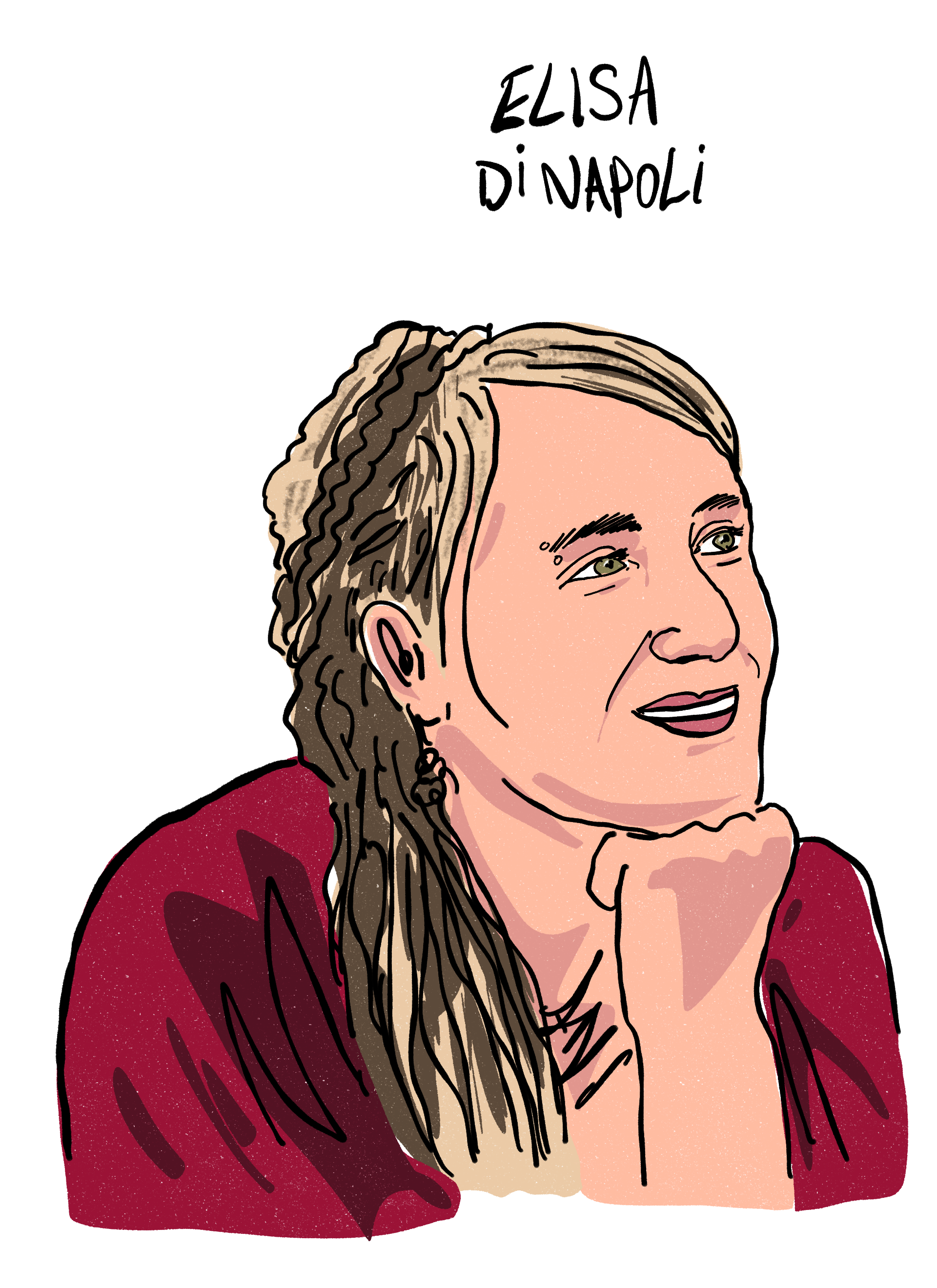
The Secret Sauce to Confidence and Conquering Fear with Elisa Di Napoli
Small Moments Matter More Than You Think
Imagine that. Here we are, caught up in the frenzy of life, waiting for that blessed two-hour block to magically materialize so we can finally indulge our creative whims. Enter Elisa Di Napoli, the sage who flips this notion on its head. She champions the power of daily creative habits and the idea that small, consistent moments of creativity are the unsung heroes of artistic growth. “The daily grind is where the magic happens,” says Elisa. Waiting for perfect conditions? Well, you might as well wait for a unicorn to show up. Grab those tiny pockets of time—they’re gold!
Action Step: Start by sketching, writing, or noodling for just 5 minutes a day. Commit to this bite-sized ritual and watch how it removes the barrier of "I don't have enough time."
Building Your Creative Muscles
Ever wonder how professional athletes don’t just collapse into a heap after a triathlon? They build their muscles bit by bit. Elisa argues that creativity works the same way. Daily practice isn’t just a motivational poster quote—it’s essential training for your creative muscles. Skip the gym of your craft, and those muscles will go flabby real quick.
And hey, this isn't a sprint. Think of your daily creative sessions as regular dates with your muse. You’d be surprised how quickly these quickies add up, making you stronger, more imaginative, and yes, more resilient to creative blocks.
Action Step: Dedicate a specific time each day for your creative practice. The same way you wouldn't skip brushing your teeth, don't skip this. Stick to it religiously, and just like that, you've got a new habit.
Feedback: Your Best Frenemy
If feedback were a cocktail, it would be a double-edged sword with a twist of lemon. Elisa's recipe? Seek feedback sparingly and only from those you trust. She emphasizes that feedback is a tool, not a verdict. Rule number one is this: feedback should lift you, not toss you into a pit of despair. Rule number two? When in doubt, trust your gut.
But here’s the kicker—constructive feedback is your friend. It’s one thing for someone to say, “I don’t like it,” and another for them to say, “Here’s where I think it could be stronger.”
Action Step: Identify a few trusted individuals from whom you can seek feedback. Be specific about what kind of feedback you need—whether it's technical, emotional, or conceptual. And remember, not all feedback deserves a place in your brain.
Stage Fright and Performance Anxiety: Taming the Beast
Elisa openly discusses her battles with performance anxiety and stage fright, likening them to unruly house guests that just won't leave. The answer? Frequent exposure and some nifty tools like hypnotherapy. According to her, there’s a fine line between "good nerves" that energize you and "bad nerves" that paralyze you. Frequent performances and regular exposure to your feared situation can turn that scary monster into just another house mouse.
Action Step: Perform regularly in low-stakes situations. Record yourself, perform in front of friends or join a virtual open mic. The more you do it, the more normal it becomes.
Unlocking Flow: The Creative Nirvana
Ah, the elusive state of flow. It's like falling in love—hard to explain, but you know it when you feel it. Elisa emphasizes curiosity as the gateway to this mystical zone. Drop the judgment and just play. Being overly critical is a surefire way to slam the door on creativity.
Action Step: Engage in an activity that excites you and do it with a playful mindset. Drop any expectations and just dive into the joy of creating.
Intentional Spaces: Drawing the Line Between Work and Creation
Navigating between 'work mode' and 'creative mode' isn’t just a mental shift; it's a full-blown spatial transition. Elisa swears by distinct physical spaces and intentional rituals to make these transitions seamless. Different lighting, separate rooms, even specific music playlists can solidify the boundary between mundane work tasks and inspired artistic endeavors.
Action Step: Designate specific areas in your home for working and creating. Even a small change like different lighting or a particular scent can make a big difference.
The Hard Truth About Self-Worth and Creation
One of the most powerful takeaways from talking with Elisa is this: your creative output does not determine your self-worth. Putting too much self-value into a single piece can make every criticism feel like a personal attack. Create because you love it, not because you need validation from the world.
Action Step: Remind yourself regularly that your worth is not tied to your outputs. Engage in self-affirmation exercises and focus on the joy of the process, rather than the outcome.
Elisa Di Napoli’s insights serve as a treasure trove for anyone navigating the rocky terrains of creativity. So, the next time you’re waiting for that perfect two-hour block, maybe spend five minutes creating something instead. After all, in the world of creativity, consistency trumps perfection every single time.
Listen to Creative Chats episode 238 with Elisa Di Napoli.